



首页 » Muscle Growth
Muscle Growth Peptides for Signaling Research
rowse peptide materials selected for laboratory research involving growth-hormone signaling, the IGF-1 axis, growth hormone secretagogue receptors, myogenesis, muscle-cell differentiation, and protein-turnover pathways.
Because muscle biology involves several connected but distinct signaling networks, each study requires a clear experimental target. Consequently, researchers should compare pathway relevance, sequence design, molecular form, purity, and assay compatibility before choosing a material.

Explore Muscle Growth Peptides for Advanced Research
Discover research peptides studied in areas such as muscle protein synthesis, tissue recovery, endocrine signaling, cellular growth, and metabolic regulation. Compare product specifications, purity levels, available formats, and quality documentation to identify peptide materials suited to your laboratory or biotechnology research needs.
Explore Peptides for Muscle Growth Research
Compare research peptides studied for their roles in muscle protein synthesis, recovery, endocrine signaling, tissue development, and related metabolic pathways. Review each product’s specifications, purity information, available formats, and supporting documentation to select materials that match your research requirements.
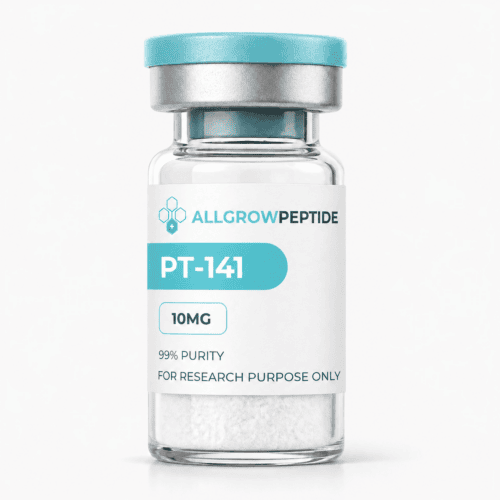
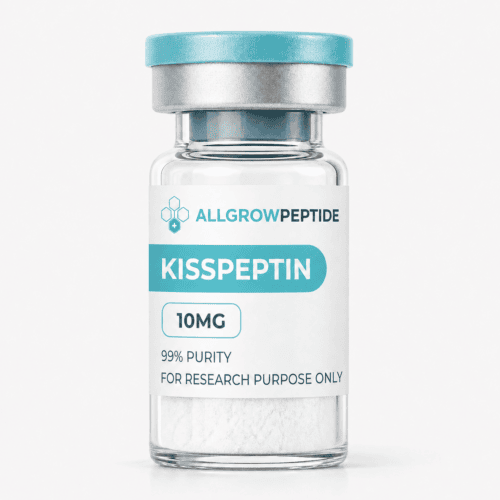
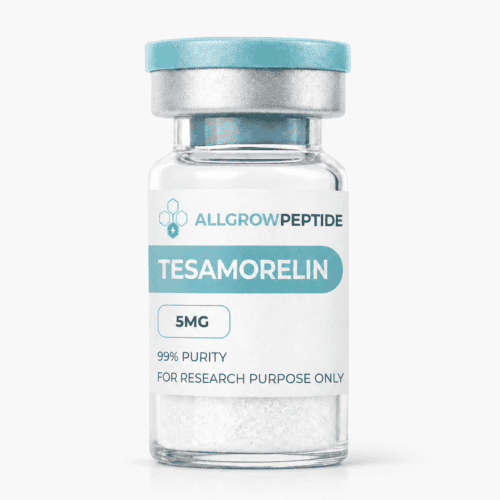
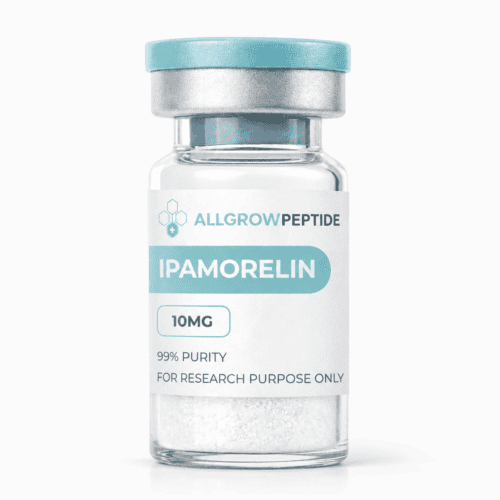
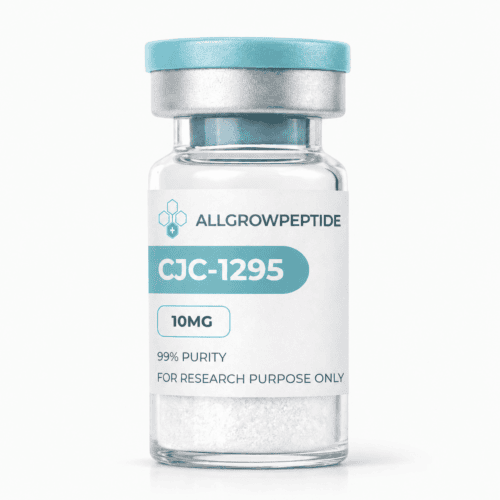
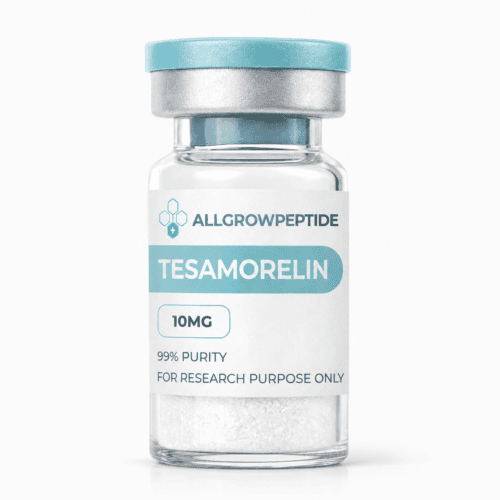
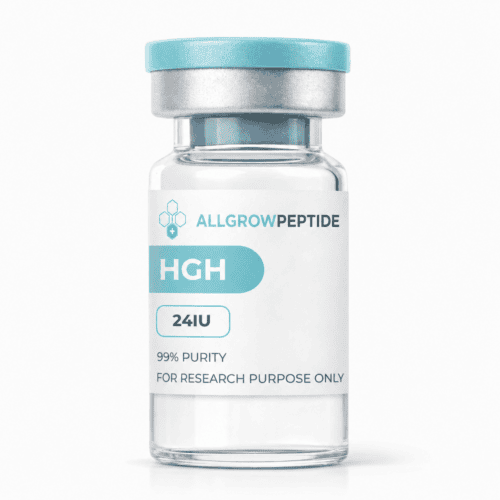
Research Pathways Behind the Category
he GH and IGF-1 systems play important roles in skeletal-muscle regulation. Research reviews describe IGF-1 as a regulator of myogenesis, protein synthesis, protein degradation, and muscle-cell signaling. However, pathway involvement does not establish that every peptide marketed in this category produces the same biological response.
Therefore, this page should separate direct IGF-related research materials from growth hormone secretagogues, releasing-hormone analogues, and combination products.
| Research Pathway | Research Objective | Material Type | Selection Considerations |
|---|---|---|---|
| GH-Releasing Pathway | Study upstream endocrine signaling | Releasing-hormone analogues | Sequence, terminal modification and stability |
| Secretagogue Receptor | Examine receptor-mediated signaling | GHS receptor ligands | Receptor selectivity and identity confirmation |
| IGF-1 Axis | Investigate muscle-cell growth pathways | IGF-related research materials | Molecular form, binding proteins and assay design |
| Myogenesis | Study differentiation and regeneration | Growth-factor-related peptides | Cell model, concentration range and controls |
| Combination Research | Compare multiple signaling targets | Defined peptide blends | Exact ratio and component-level documentation |
Analytical Information Matters
Ask for batch-specific identity and purity results. HPLC commonly supports purity assessment, while mass spectrometry helps confirm whether the detected molecular mass matches the expected material.
Moreover, researchers should distinguish peptide purity from net peptide content. A lyophilized vial may also contain water, counterions, residual salts, or other non-peptide components.
FAQ

Are muscle growth peptides the same as anabolic steroids?
No. Peptides and steroid molecules differ in structure and biological mechanisms. Each product must be evaluated independently.
Does a growth-related pathway prove muscle growth in humans?
No. A molecular pathway, cell study, or animal model does not by itself establish human clinical effectiveness.
What documents should accompany the product?
The product page should identify the batch, quantity, purity specification, molecular form, storage conditions, and available HPLC, MS, or COA documentation.
Request Muscle-Signaling Research Materials
Tell us the target pathway, peptide name, vial quantity, purity requirement, and analytical documents required for your project.