


首页 » Quality
Peptide Quality Built on Testing, Documentation, and Traceability
Peptide quality is supported through controlled material review, documented production, analytical testing, batch-specific records, traceable packaging, and defined storage requirements. Therefore, product quality is not represented by a purity percentage alone. Instead, identity, purity, quantity, appearance, documentation, and batch history should be evaluated together.
Quality Must Be Demonstrated, Not Simply Claimed
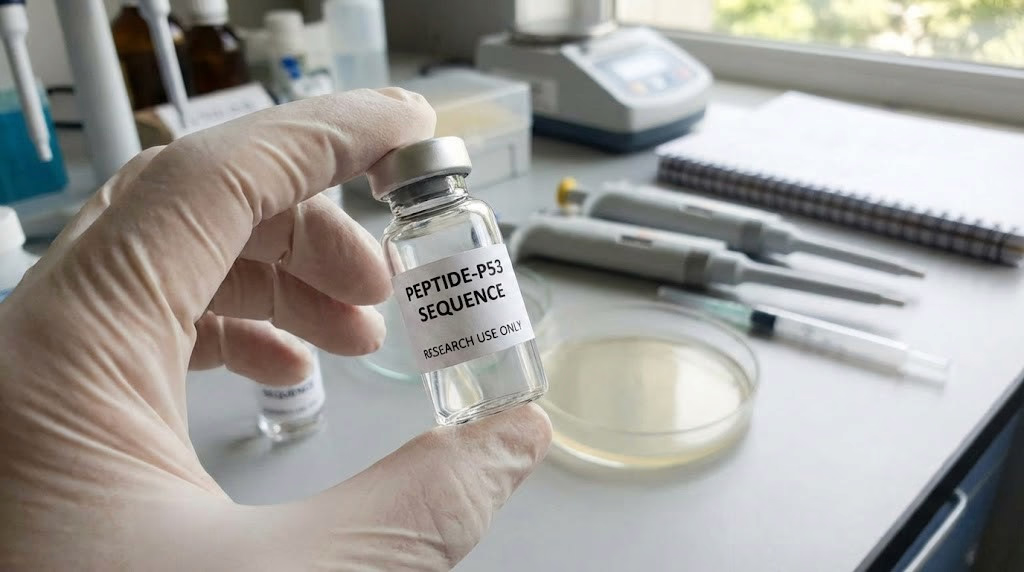
A peptide may be advertised as high purity; however, a single percentage does not provide a complete quality profile. Molecular identity should also be supported, batch records should be retained, specifications should be defined, and analytical results should be reviewed before release.
Accordingly, our quality framework is organized around six connected areas: quality control, analytical testing, COA documentation, batch traceability, manufacturing standards, and packaging and storage.
FDA describes CGMP as minimum requirements covering the methods, facilities, and controls used during manufacturing, processing, and packing. Meanwhile, ICH Q10 presents a broader pharmaceutical quality-system model that includes product-quality monitoring, CAPA, change management, and management review.
Page classification




Recommended Peptide Purity Levels
| Quality Area | What Is Reviewed | Buyer Benefit |
|---|---|---|
| Quality Control | Materials, production records, tests and release status | More consistent batch evaluation |
| HPLC & Mass Spectrometry | Chromatographic purity and molecular identity | Improved analytical transparency |
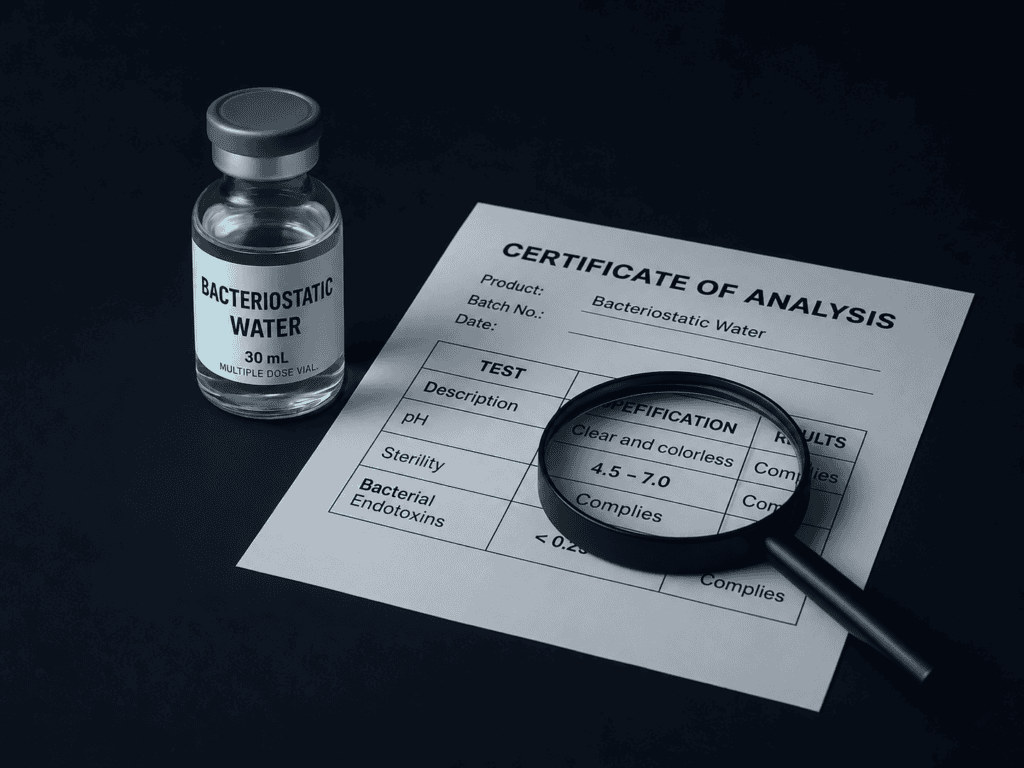
| Certificate of Analysis | Specifications, test results and batch information | Batch-specific quality documentation |
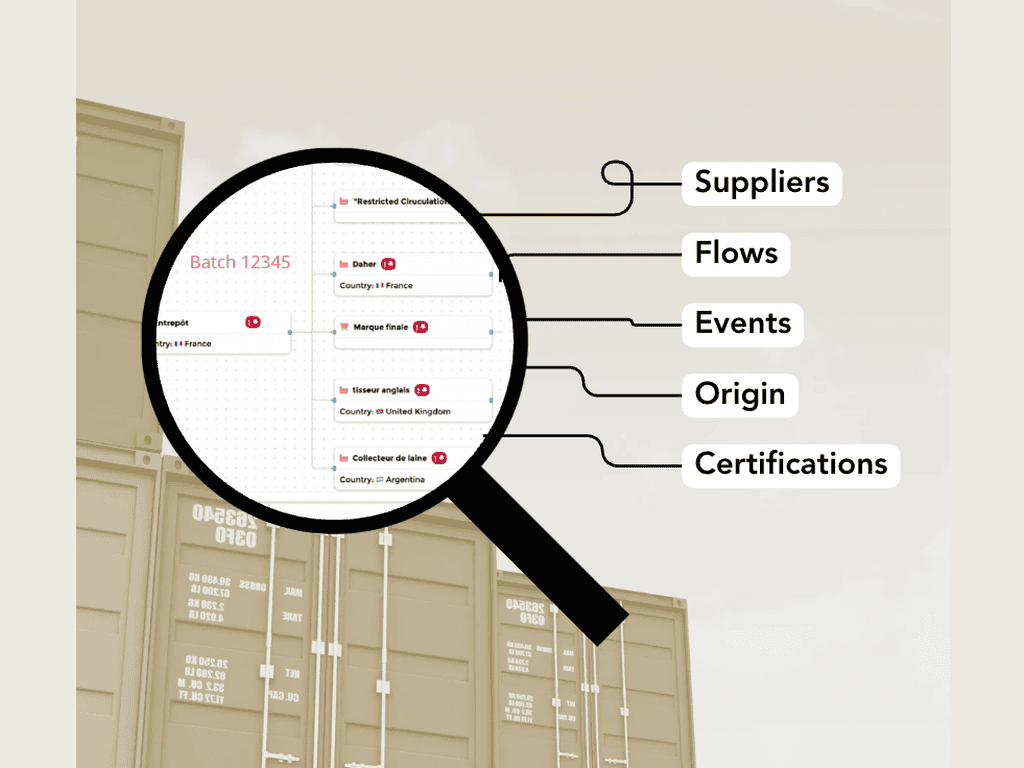
| Batch Traceability | Material, production, testing, packing and shipment links | Faster document verification |
| Manufacturing Standards | Procedures, equipment, personnel and change control | More controlled production practices |
| Packaging & Storage | Container suitability, labels and storage conditions | Better protection during storage and transport |
How Is a Peptide Batch Evaluated?
Materials Are Reviewed
Incoming materials, product specifications, supplier information, and relevant batch identifiers are reviewed before use.
Production Is Documented
Next, required process steps, quantities, equipment, operators, and in-process observations are recorded.
Analytical Testing Is Performed
HPLC, mass spectrometry, or other agreed analytical procedures are used according to the product specification.
Data Are Reviewed
Subsequently, analytical results, deviations, calculations, and supporting records are checked.
Release Is Authorized
The batch is released only after the applicable acceptance criteria and document requirements have been reviewed.
Packaging Is Verified
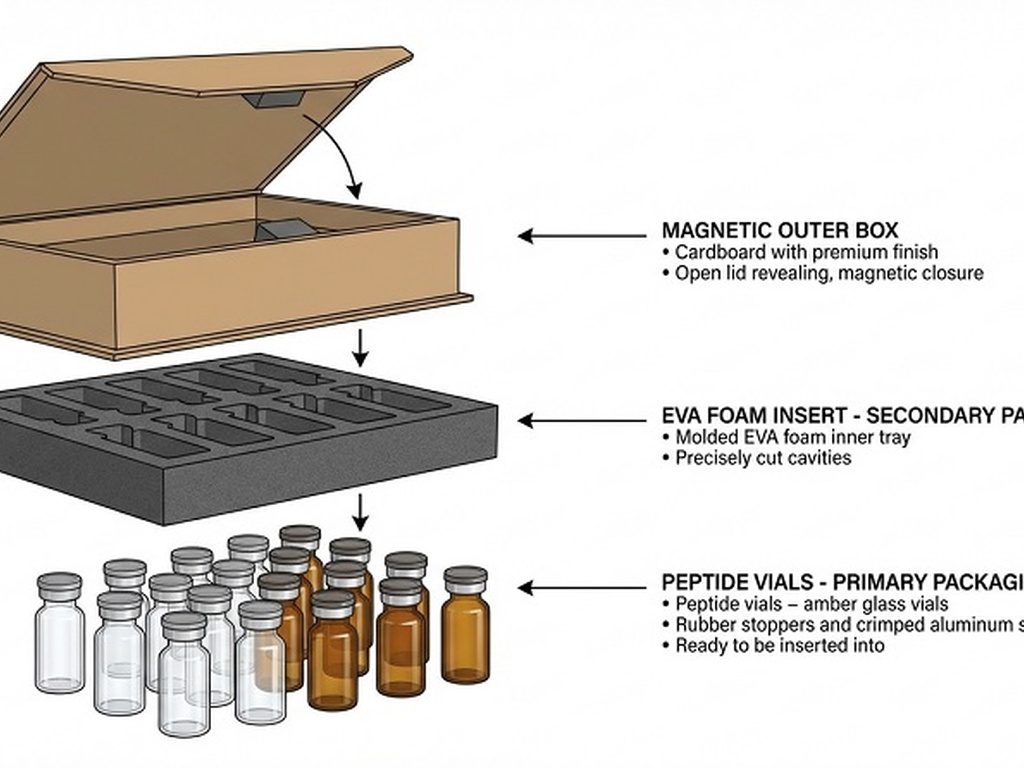
Finally, the product name, quantity, batch code, storage statement, vial, label, and outer packaging are confirmed.
Frequently Asked Questions

Does high HPLC purity prove peptide identity?
No. HPLC can be used to evaluate chromatographic purity, whereas mass spectrometry is commonly used to support molecular identity. Therefore, the two results should be interpreted together.
Is every quality document batch-specific?
Documents such as the COA, chromatogram, batch number, and release data should correspond to the actual supplied batch.
Does a COA mean that a company is certified?
No. A COA is a batch-analysis document. It is not equivalent to GMP, ISO, FDA approval, or facility certification.
Can analytical specifications differ between peptides?
Yes. Specifications may be influenced by sequence, salt form, modification, intended research use, product format, and agreed testing scope.
Review Our Peptide Quality Documentation
Request available batch specifications, analytical records, packaging information, or COA documentation before placing a Buyer order.