



首页 » Recovery
Recovery Peptides for Tissue Repair Research
Explore research peptide materials used in laboratory studies of cell migration, tissue remodeling, extracellular matrix activity, inflammatory signaling, angiogenesis, and repair-related biological pathways.
Recovery represents a broad commercial category rather than one defined mechanism. Therefore, each product page should explain the specific pathway under investigation and clearly separate preclinical findings from established clinical evidence.
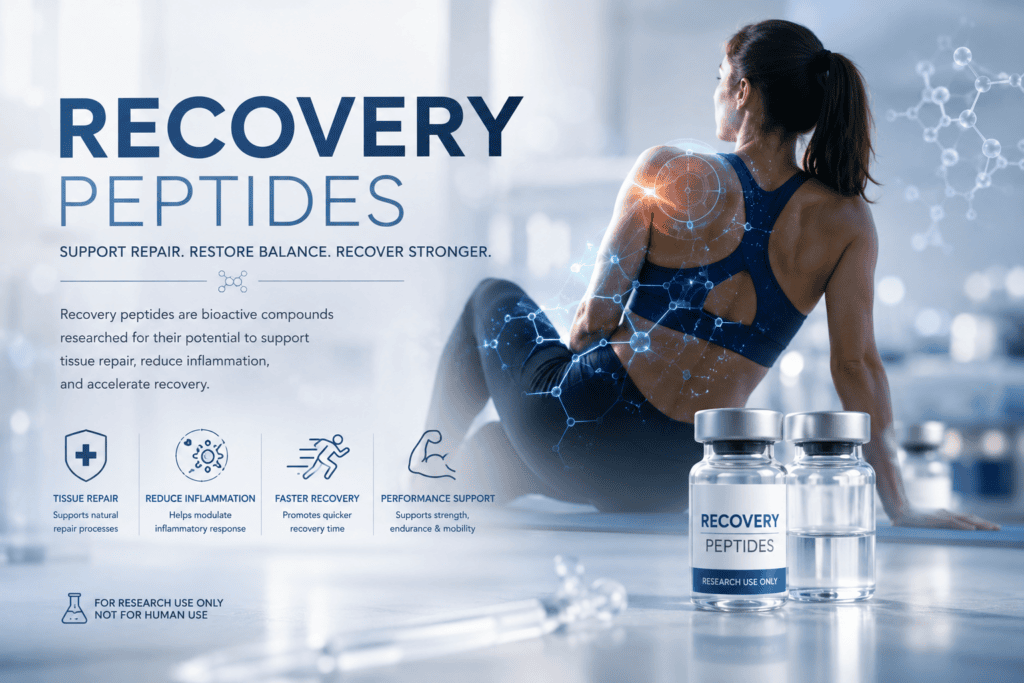
Explore Recovery Peptides for Tissue Repair Research
Discover recovery peptides studied for their roles in tissue remodeling, cellular migration, extracellular matrix support, inflammatory signaling, oxidative balance, muscle recovery, and connective-tissue research. This category includes selected peptide compounds for laboratory studies involving wound-healing pathways, tendon and ligament models, vascular responses, and post-stress cellular repair. Compare product specifications, purity options, available formats, batch documentation, and analytical data to select suitable materials for biotechnology and research applications.
Explore Recovery Peptides for Advanced Research
Browse peptide materials organized around tissue-repair models, cell-migration studies, matrix regulation, inflammatory pathways, and multi-target research blends.
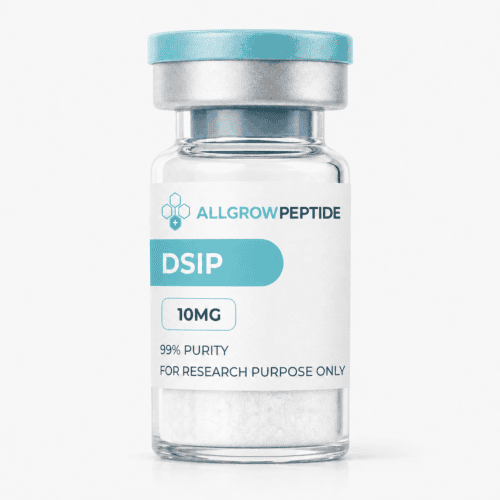
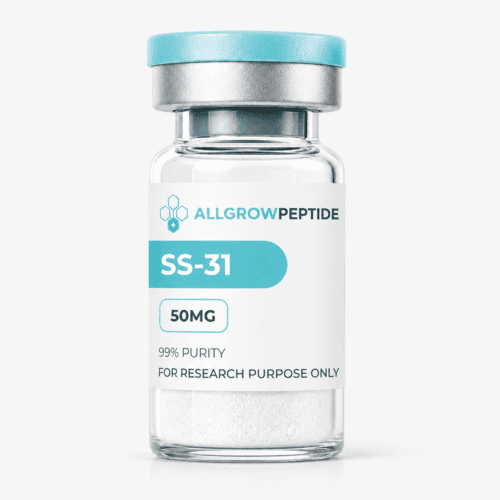
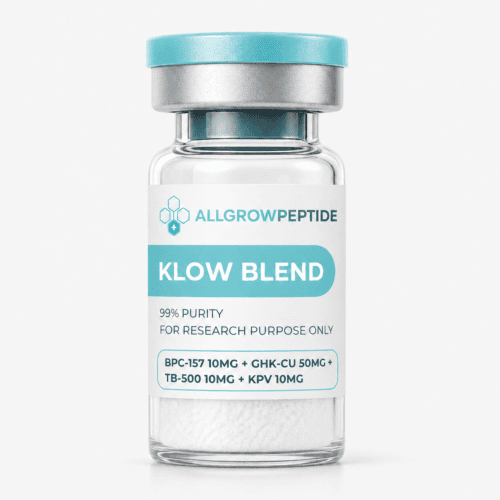
Research Areas Within Recovery Biology
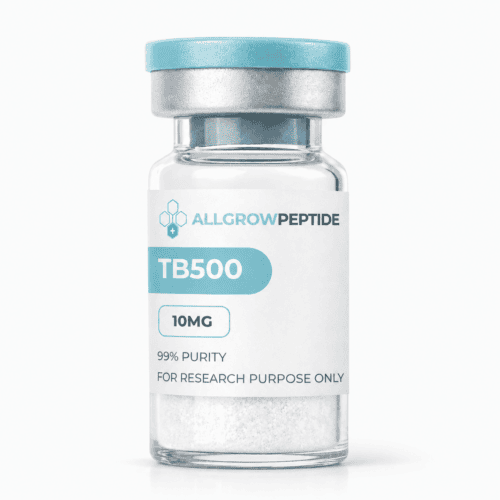
Thymosin beta-4 has received scientific attention because of its involvement in actin regulation, cell migration, and tissue-repair biology. Nevertheless, thymosin beta-4 and shorter TB-500-related materials should not automatically be treated as identical compounds. Their sequences, molecular masses, and supporting evidence may differ.
Likewise, other recovery-category peptides may focus on inflammatory signaling, gastrointestinal models, copper-dependent matrix pathways, or cellular migration. For that reason, the page should describe research context without promising faster healing or human recovery.
| Research Focus | Example Material | Biological Context | Key Evaluation Point |
|---|---|---|---|
| Cell Migration | Thymosin-related materials | Actin dynamics and cellular movement | Confirm the exact sequence and molecular form |
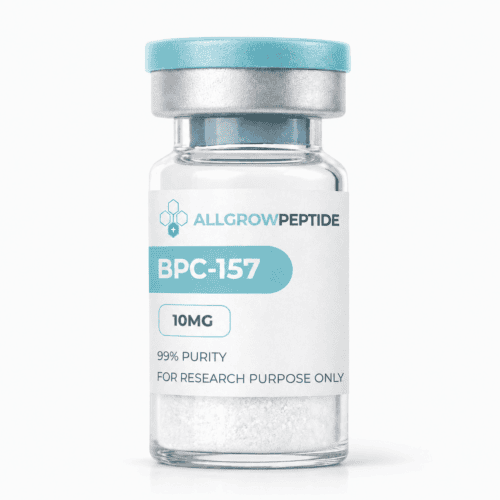
| Tissue-Repair Models | BPC-157 research materials | Preclinical repair and signaling studies | Separate animal evidence from human evidence |
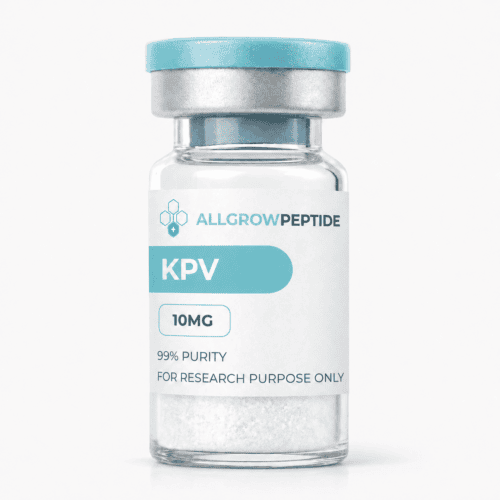
| Inflammatory Signaling | KPV | Cellular and immune-pathway research | Review assay model and purity requirement |
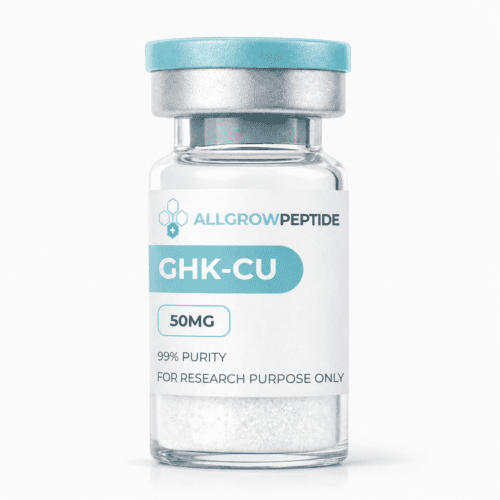
| Matrix Remodeling | GHK-Cu | Copper-dependent extracellular matrix studies | Verify copper complex identity |
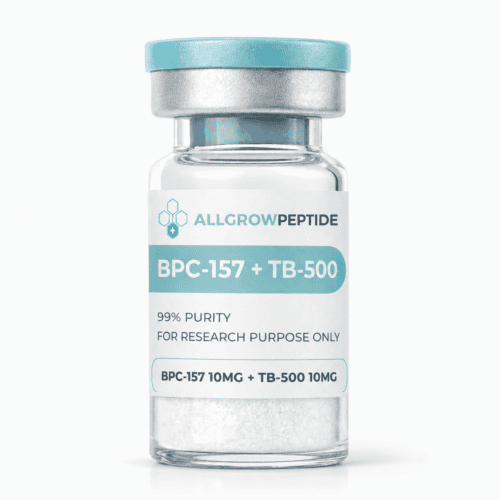
| Multi-Target Research | Defined peptide blends | Parallel or combined pathway investigation | Require exact composition and ratio |

Avoid Overgeneralized Recovery Claims
Use phrases such as:
- studied in tissue-repair models
- investigated for cell-migration pathways
- used in preclinical signaling research
- evaluated in laboratory models
Avoid phrases such as:
- heals injuries
- repairs tendons quickly
- speeds recovery
- treats inflammation
- restores damaged tissue
FAQ
Does preclinical repair research prove clinical effectiveness?
No. Cell and animal research can support further investigation, but it does not establish safety or effectiveness in people.
Are TB-500 and thymosin beta-4 interchangeable?
Not necessarily. Researchers must compare the exact sequence, molecular weight, fragment length, and analytical documentation.
Can several recovery peptides be combined into one blend?
They can form a defined laboratory blend, but the label should state each component and quantity. The page should not claim synergy without direct supporting evidence.
Plan Your Recovery-Pathway Research Order
Send the required product, quantity, purity, packaging format, analytical requirements, and destination to receive a project-specific response.