Updated October 2026 | U.S. prescription and insurance rules
You have probably seen the headlines about tirzepatide and weight loss. Then comes the real question: Can you actually get a prescription? The answer depends on more than your weight. Your diagnosis, medical history, medications, and insurance plan all matter.
Here is the practical guide to tirzepatide prescription requirements in the United States. We’ll cover eligibility, online visits, blood tests, and the latest 2026 policy changes. No miracle promises. Just the rules that help you prepare for a real clinical conversation.
Do You Need a Prescription for Tirzepatide?
how to get a tirzepatide prescription
Yes. FDA-approved tirzepatide products require a valid prescription from an appropriately licensed healthcare professional in the U.S. You cannot legally bypass that step by choosing an online store. A telehealth consultation may work, but the clinician must evaluate whether treatment fits your needs.
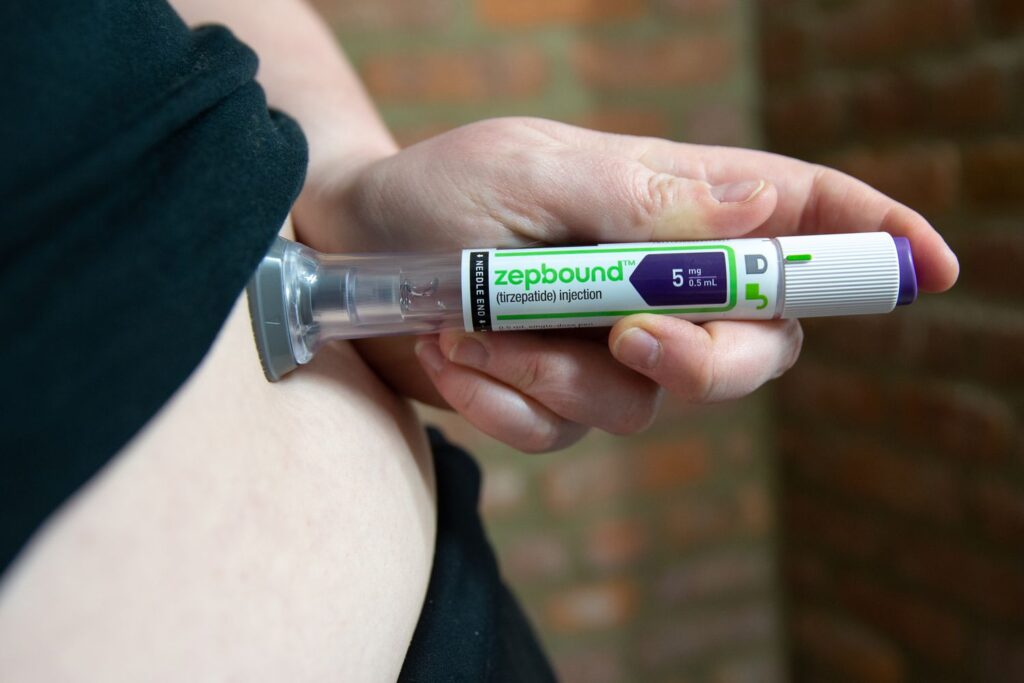
Two well-known prescription brands contain tirzepatide: Zepbound and Mounjaro. Their FDA-approved uses differ. Also, a research-labeled vial is not an approved substitute for either medicine. Never use a laboratory research product for self-injection.
Zepbound vs. Mounjaro: Which Prescription Requirements Apply?
Start with your treatment goal. For chronic weight management, clinicians generally assess Zepbound’s approved eligibility criteria. For type 2 diabetes, they assess Mounjaro’s indications and the patient’s overall health.
There is a 2026 development worth knowing. In August, the FDA expanded Mounjaro’s labeling to include reducing major cardiovascular events in certain adults with type 2 diabetes and high cardiovascular risk. However, this does not make Mounjaro a general-purpose weight-loss prescription.
Question
Zepbound
Mounjaro
Active ingredient
Tirzepatide
Tirzepatide
Main FDA-approved use
Long-term weight reduction in eligible adults
Improve glucose control in type 2 diabetes
Other approved use
Moderate-to-severe obstructive sleep apnea in adults with obesity
Reduce major CV events in adults with type 2 diabetes at high CV risk
Approved age group
Adults for these indications
Adults and children age 10+ for type 2 diabetes; CV indication applies to certain adults
Who Qualifies for a Tirzepatide Prescription for Weight Loss?
For Zepbound’s weight-management indication, the familiar tirzepatide BMI requirements are straightforward. Adults generally qualify under the FDA-approved population with a BMI of at least 30. Alternatively, a BMI of at least 27 plus a weight-related health condition may qualify.
Examples include high blood pressure, abnormal cholesterol, or type 2 diabetes. Yet hitting a BMI number doesn’t guarantee a prescription. A prescriber must also review risks, other treatments, and the likely benefit.
Your situation
Meets a typical Zepbound weight-management eligibility threshold?
Next step
BMI 30 or higher
Yes, based on BMI
Request a medical evaluation
BMI 27–29.9 plus a weight-related condition
Yes, if the condition qualifies
Bring relevant diagnoses or records
BMI 27–29.9 without a qualifying condition
No, not under the standard labeled weight-management criteria
Discuss other evidence-based options
BMI below 27
No, not under the standard labeled weight-management criteria
Diabetes is not required for a Zepbound prescription. In fact, Zepbound also has an FDA-approved indication for moderate-to-severe obstructive sleep apnea in adults with obesity.
Still, a provider needs a credible diagnosis and should assess your full sleep-health plan. A sleep study may help establish the diagnosis or its severity. An insurer may request those records, too.
Importantly, tirzepatide does not automatically replace CPAP or other recommended sleep apnea care. Discuss treatment changes with your sleep specialist. The FDA’s sleep apnea announcement explains this additional approved use.
What Does a Doctor Check Before Prescribing Tirzepatide?
Expect questions, not just a quick BMI calculation. A good appointment often reviews:
Your height, weight, weight history, and treatment goals.
Type 2 diabetes, sleep apnea, blood pressure, and cholesterol history.
Current prescriptions, especially insulin, sulfonylureas, and other GLP-1 medicines.
Prior pancreatitis, gallbladder disease, severe digestive symptoms, and kidney concerns.
Personal or family history of medullary thyroid carcinoma (MTC) or MEN2.
Pregnancy plans, pregnancy status, and oral contraceptive use when relevant.
Next, the clinician decides whether the expected benefits justify the risks. If treatment is appropriate, they choose a product and create a monitoring plan. Insurance paperwork comes afterward.
Do Tirzepatide Prescription Requirements Include Blood Work?
Not every patient needs the same tests. There is no single FDA-mandated blood-test panel that every applicant must complete. However, your clinician may order tests based on your history and the treatment indication.
For example, an A1c or fasting glucose test can clarify diabetes status. A kidney function test may help when dehydration or renal problems raise concern. Lipid tests can also document a weight-related condition.
Don’t confuse a clinic’s screening policy with a universal legal requirement. Likewise, do not skip tests that your clinician considers necessary. Ask what each result will change in your care.
Who Should Not Take Tirzepatide?
The FDA labeling lists clear contraindications. Do not use Zepbound or Mounjaro if you have a personal or family history of medullary thyroid carcinoma, a history of MEN2, or a known serious allergic reaction to tirzepatide or its ingredients.
Other conditions need careful discussion rather than an automatic yes or no. These include severe gastroparesis, pancreatitis concerns, gallbladder disease, and dehydration-related kidney risks. Tell your clinician about diabetic eye disease and planned anesthesia, too.
Also, tirzepatide can harm a fetus. Zepbound’s label instructs patients to stop when pregnancy is recognized. Oral birth control may work less reliably after starting tirzepatide or increasing its dose. Therefore, the label advises a non-oral method or an added barrier method for four weeks after each of those changes.
Can You Get a Tirzepatide Prescription Online in 2026?
Yes, a legitimate telehealth appointment can lead to a tirzepatide prescription. But it isn’t a guaranteed approval service. The clinician must hold the appropriate license and follow applicable state rules.
Typically, you provide your medical history, medications, recent measurements, and treatment goals. Depending on the situation, the provider may request lab results or an in-person exam. Then a valid prescription goes to a licensed pharmacy.
Watch for red flags. A website that sells prescription tirzepatide without an actual prescription is not a shortcut. Neither is an anonymous seller advertising “no doctor needed.” Instead, use the FDA BeSafeRx guide to check the pharmacy’s license and contact details.
Is Compounded Tirzepatide Still Legal in 2026?
This is where old blog posts can seriously mislead readers. The FDA determined the national tirzepatide injection shortage was resolved in December 2024. In April 2026, it reiterated restrictions on compounding copies of available approved medications.
Compounding isn’t automatically illegal in every circumstance. Yet pharmacies must satisfy applicable federal and state requirements. Importantly, compounded tirzepatide is not FDA-approved, and a prescription alone does not make every compounded version lawful.
Meanwhile, the FDA has warned consumers about fraudulent labels, dosing errors, and risky online marketing. Therefore, do not assume a product is legitimate because the listing says “pharmacy-grade” or “research use only.” Ask your clinician and pharmacist about approved alternatives.
Will Insurance Cover Your Tirzepatide Prescription?
Getting a prescription and getting insurance approval are different steps. Commercial plans may require prior authorization, documented BMI, relevant diagnoses, or evidence of earlier treatment. Some plans exclude weight-loss medicines altogether.
However, 2026 brought a significant Medicare update. The temporary Medicare GLP-1 Bridge began July 1, 2026. Eligible Part D members may access certain medicines, including Zepbound KwikPen, with a $50 monthly copayment.
That program has narrower criteria than Zepbound’s general FDA weight-management indication. For instance, it may require BMI 35+, BMI 30+ with specified conditions, or BMI 27+ with another specified condition. Other eligibility and exclusion rules apply. Single-dose Zepbound pens and vials aren’t included.
How Effective Is Tirzepatide? What the Numbers Actually Show
Eligibility matters because this is long-term medical treatment, not a cosmetic quick fix. In the landmark SURMOUNT-1 trial, adults with obesity or overweight and a related condition, but without diabetes, received tirzepatide or placebo alongside lifestyle intervention.
After 72 weeks, average weight change reached −20.9% with 15 mg tirzepatide, compared with −3.1% with placebo. Other dose groups averaged different results. Still, this was a trial average, not a prediction for any one patient.
Side effects can also affect treatment. Nausea, vomiting, diarrhea, and constipation are common. For context, the trial published its findings in the New England Journal of Medicine.
How to Get a Tirzepatide Prescription: A Practical 5-Step Plan
Step 1: Calculate your BMI.
Record your current height and weight accurately.
Step 2: Collect your medical information.
Include diagnoses, medication lists, recent labs, and previous weight-management attempts.
Step 3: Book a real clinical appointment.
Choose a licensed primary care, obesity medicine, endocrinology, or appropriate telehealth provider.
Step 4: Discuss eligibility and safety.
Ask which approved product fits your diagnosis. Clarify testing, side effects, and follow-up visits.
Step 5: Confirm pharmacy and coverage.
Request prior authorization if needed. Fill the prescription only at a properly licensed pharmacy.
If your clinician prescribes Zepbound, its labeled starting dose is 2.5 mg once weekly for four weeks. Your prescriber then manages dose changes based on the label, your response, and tolerability. Don’t design your own dose schedule or substitute an unapproved vial.
Frequently Asked Questions
Can I get tirzepatide without a prescription?
No. In the U.S., approved tirzepatide medicines require a prescription. Avoid sellers advertising injectable tirzepatide without clinician review.
Do I need type 2 diabetes to qualify?
No. Eligible adults may receive Zepbound for weight management or its sleep apnea indication without having diabetes. Mounjaro has different approved indications.
What BMI do I need for tirzepatide?
For Zepbound weight management, the usual labeled eligibility starts at BMI 30, or BMI 27 with a weight-related condition. Medical suitability still matters.
Can a telehealth doctor prescribe tirzepatide?
Yes, when a properly licensed clinician evaluates you and follows applicable rules. Telehealth does not eliminate the prescription requirement.
Is a tirzepatide prescription the same as insurance approval?
No. Your doctor decides medical appropriateness. Your insurer separately decides whether your plan will pay, often through prior authorization.
Can I use research-use-only tirzepatide for weight loss?
No. A research reagent is not a patient medication. It lacks the FDA approval, labeling, and supply-chain assurances of an approved prescription product.
Final Answer: What Do You Actually Need?
To meet tirzepatide prescription requirements, you need an appropriate medical reason, an individual safety assessment, and a valid prescription. For Zepbound weight management, BMI 30 or BMI 27 plus a qualifying condition is the usual starting point. Separate approved uses may apply for sleep apnea and type 2 diabetes treatment.
So, begin with your medical records and a licensed clinician, not a checkout page. Then verify the pharmacy and insurance rules. That’s the safest, clearest path to an informed decision in 2026.
Medical disclaimer: This U.S.-focused article is for general education. It is not individualized medical advice. Product labels, coverage policies, and state requirements may change. Consult a licensed clinician about treatment.