


首页 » Anti-Aging
Anti-Aging Peptides for Cellular and Skin Research
Explore peptide materials developed for laboratory studies involving cellular aging, mitochondrial function, extracellular matrix regulation, copper-dependent signaling, oxidative stress, and age-associated biological pathways.
Anti-aging research covers many different mechanisms. Therefore, researchers should identify the relevant pathway first and then compare the peptide sequence, modification, purity target, analytical method, and experimental format.
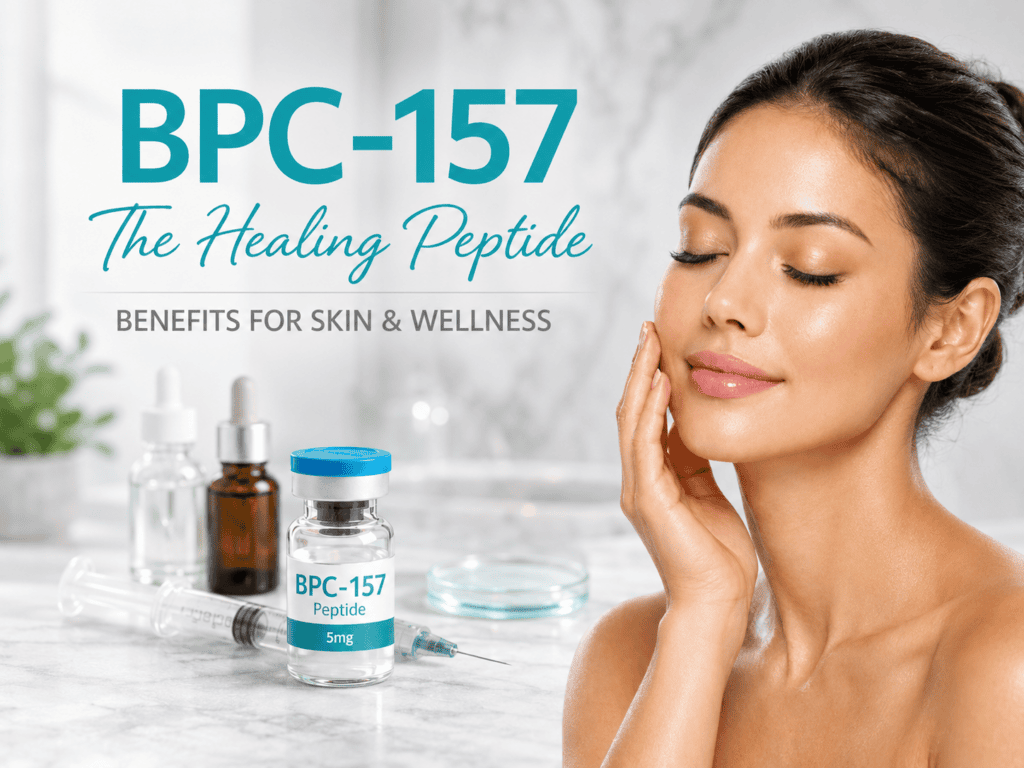
Explore Anti-Aging Peptides for Advanced Research
Discover anti-aging peptides selected for laboratory studies involving cellular repair, collagen synthesis, oxidative stress, metabolic signaling, and age-related biological pathways. Our research-grade peptide products support biotechnology companies, laboratories, and research professionals with clear specifications, quality documentation, and reliable sourcing.
Explore Anti-Aging Peptide Products
Browse research materials organized around cellular longevity, mitochondrial biology, skin matrix studies, copper peptide research, and age-related signaling. Open each product page to compare specifications, documentation, and available quantities.
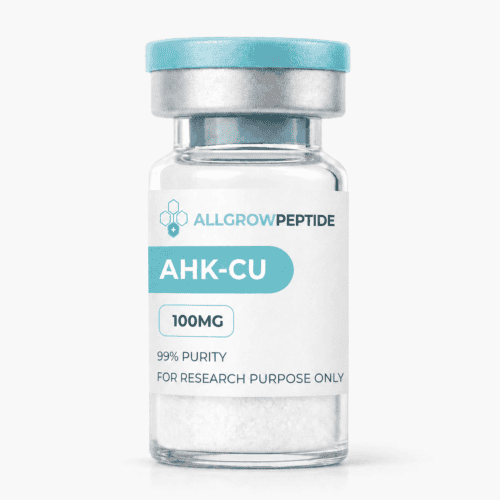
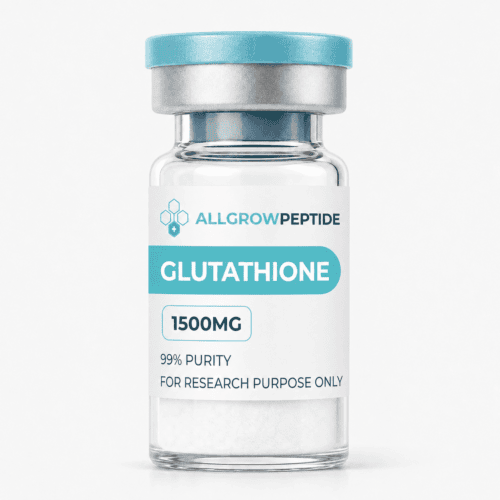
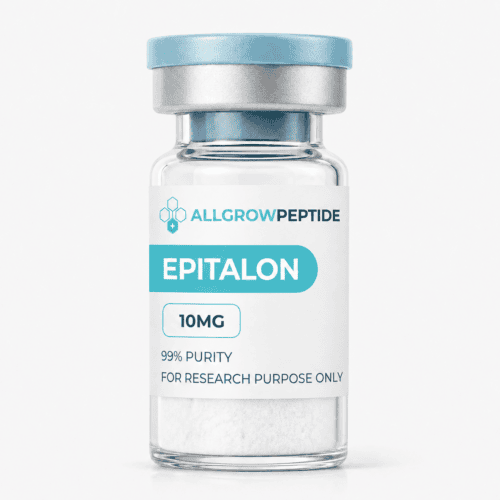
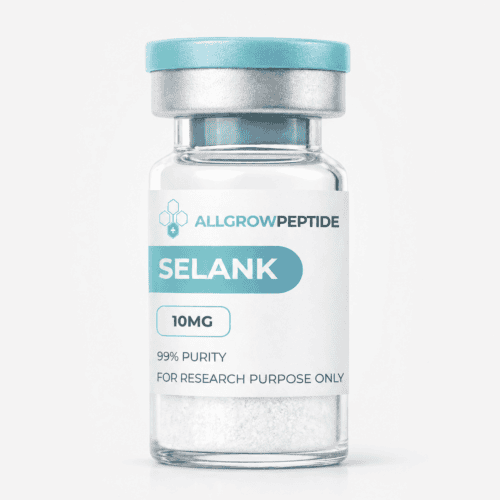
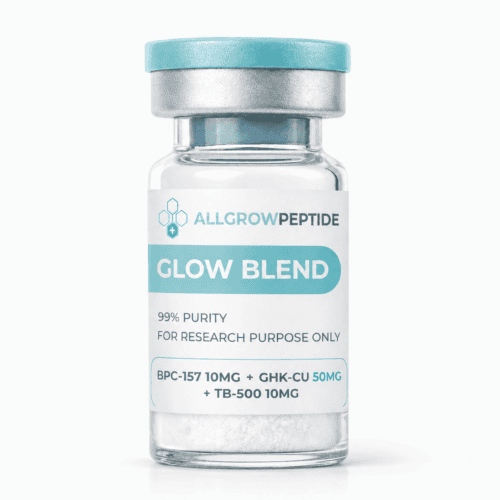
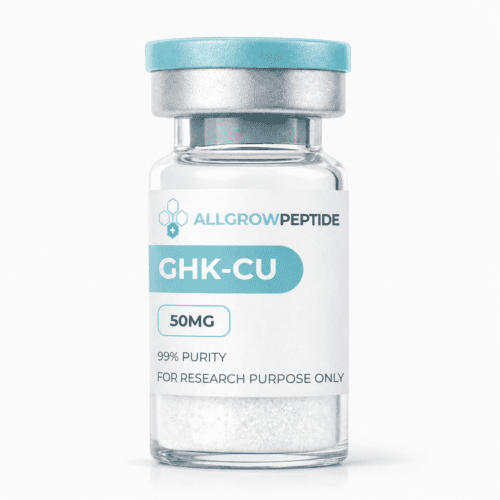
Different Directions in Anti-Aging Peptide Research
Anti-aging peptide research extends far beyond a single cosmetic outcome. Some projects examine cellular senescence, whereas others focus on mitochondrial membranes, extracellular matrix remodeling, oxidative stress, or gene-regulatory pathways.
For context, the 2024 AagingBase project compiled 282 experimentally validated anti-aging peptides from 54 research articles and 236 patents. This breadth shows why an anti-aging category should classify products by research mechanism rather than use one broad benefit claim for every compound.
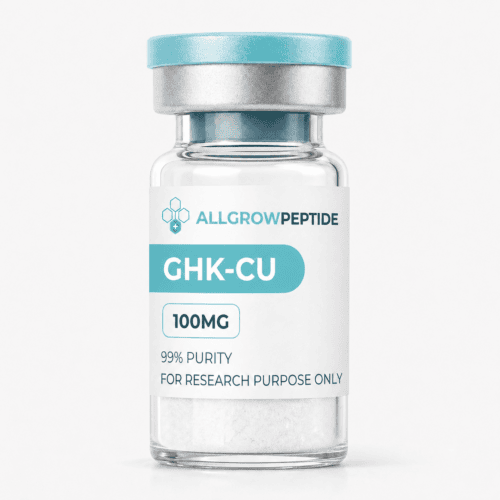
GHK and its copper complex have also attracted research attention in tissue remodeling and skin-related pathways. However, findings for one peptide, formulation, or experimental model should not automatically be transferred to another product.
| Research Focus | Example Materials | Common Study Context | Important Documentation |
|---|---|---|---|
| Copper Peptide Research | GHK-Cu and AHK-Cu | Matrix, dermal and copper-binding pathways | Identity, copper form, purity and mass data |
| Cellular Aging | Epitalon-related materials | Senescence and age-associated signaling | Sequence, terminal form and batch specification |
| Mitochondrial Research | SS-31 and MOTS-c | Bioenergetics and mitochondrial signaling | Sequence identity, purity and stability data |
| Stress-Response Research | Humanin-related peptides | Cellular stress and survival pathways | Mass confirmation and assay suitability |
| Skin Matrix Research | Copper and cosmetic peptides | Collagen-related and extracellular matrix studies | Purity, solubility and formulation compatibility |
Select the Peptide by Research Question
Start with the experimental target rather than the marketing category. For instance, mitochondrial studies require different materials and analytical considerations from copper-binding or skin-matrix experiments.
In addition, check whether the project needs a free peptide, metal complex, acetate form, amidated sequence, or another modification. These differences may affect molecular weight, solubility, and assay interpretation.
FAQ

Does “anti-aging peptide” describe one defined scientific class?
No. It acts as a commercial category that may include peptides connected to several unrelated biological pathways.
Are GHK and GHK-Cu the same material?
No. GHK is a tripeptide, while GHK-Cu refers to its copper complex. Product documentation should clearly identify which material the vial contains.
Should every project use the highest available purity?
Not necessarily. Researchers should select purity according to assay sensitivity, analytical requirements, quantity, and budget.
Discuss Your Anti-Aging Peptide Research Requirements
Provide the peptide name, quantity, purity level, intended assay, packaging format, and documentation needs. We will review the technical requirements before preparing a quotation.