


首页 » Peptide Blend
Peptide Blends for Multi-Target Laboratory Research
Explore peptide blends developed for projects that require two or more clearly identified research materials in one defined format.
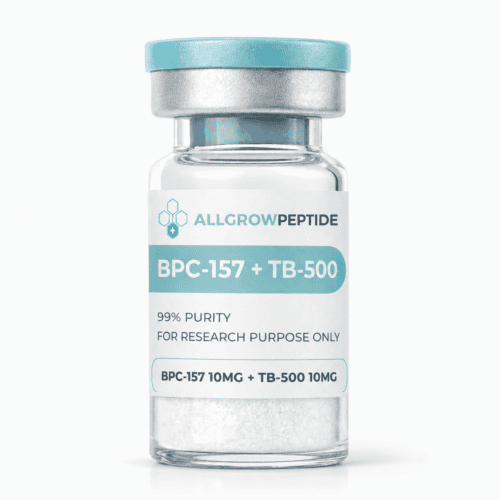
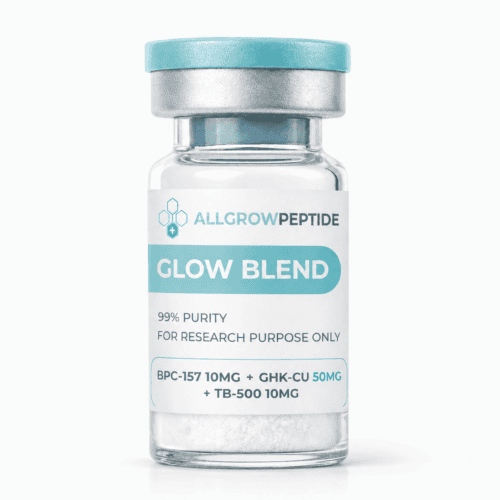
A useful blend page should explain exactly what the vial contains. Therefore, every listing should state the component names, individual quantities, total vial content, molecular forms, batch number, and available analytical documentation.

Explore Peptide Blends for Multi-Pathway Research
Discover two-component and multi-component peptide blends designed for studies involving recovery, cellular repair, metabolic signaling, anti-aging pathways, and related biological processes. Compare blend composition, ingredient ratios, purity specifications, available quantities, packaging formats, and quality documentation to select products that align with your research requirements.
Explore Peptide Blends for Combined Research Applications
Compare two-component and multi-component peptide blends developed for studies involving recovery, cellular repair, anti-aging pathways, metabolic signaling, and related biological processes. Review each blend’s composition, ingredient ratio, total quantity, purity specifications, packaging format, and quality documentation to identify a suitable option for your research project.
A Blend Requires More Than a Product Name
A product name alone does not provide enough technical information. Instead, researchers need a complete composition statement.
In addition, the website should distinguish between testing the individual components before blending and testing the final blend. Complex mixtures may make chromatographic interpretation more difficult, so the documentation should describe the analytical approach accurately.
| Blend Type | Required Label Information | Recommended Documentation | Primary Risk to Avoid |
|---|---|---|---|
| Two-Component Blend | Name and quantity of both components | Component identity, purity and final lot record | Displaying only the total vial quantity |
| Three-Component Blend | Exact three-part ratio and total content | Component data and blend production record | Unclear or inconsistent composition |
| Multi-Component Blend | Full composition without abbreviations | Traceable source and batch information | Unsupported synergy claims |
| Custom Research Blend | Customer-approved formula and packaging | Specification, label proof and release record | Production before technical review |
Documentation for Peptide Blends
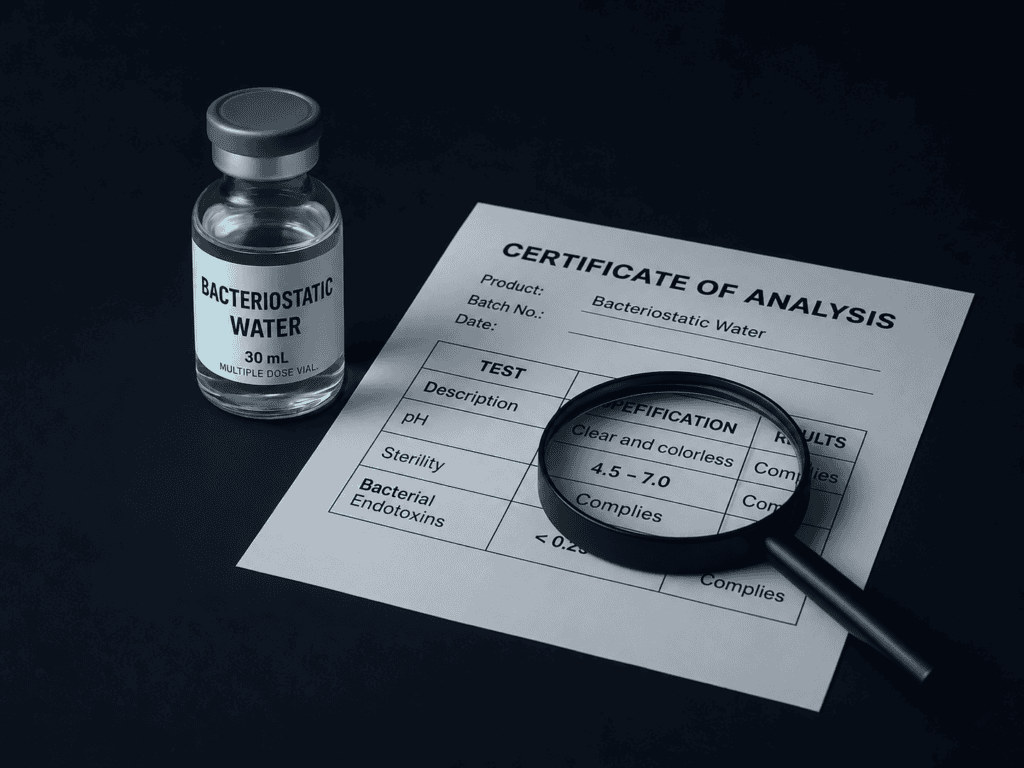
Quality documentation should connect each blend to a defined production batch. Moreover, the COA should avoid implying that one purity result automatically represents every component unless the analytical method can support that conclusion.
GenScript’s publicly described peptide QC process uses both HPLC and mass spectrometry during peptide production and quality assessment, which reflects the type of analytical transparency researchers often expect from professional suppliers.


FAQ

Does combining peptides prove that they work synergistically?
No. A blend provides a defined combination for research. It does not prove additive or synergistic activity.
Should the label display the total amount or each component?
It should display both. Researchers need the amount of every component as well as the total nominal vial content.
Can customers request a custom ratio?
Yes, subject to technical review, compatibility assessment, minimum quantity, documentation requirements, and applicable regulations.
Request a Defined or Custom Peptide Blend
Submit the component names, quantity per component, number of vials, purity targets, label requirements, and delivery destination.