For Research Use Only. Not for Human Use.
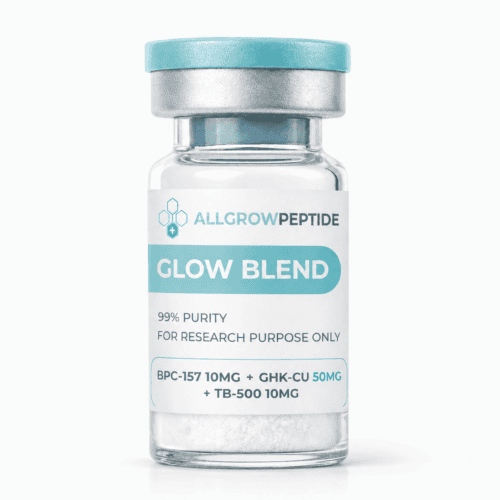
This research-grade blend combines two peptides for controlled laboratory investigations:
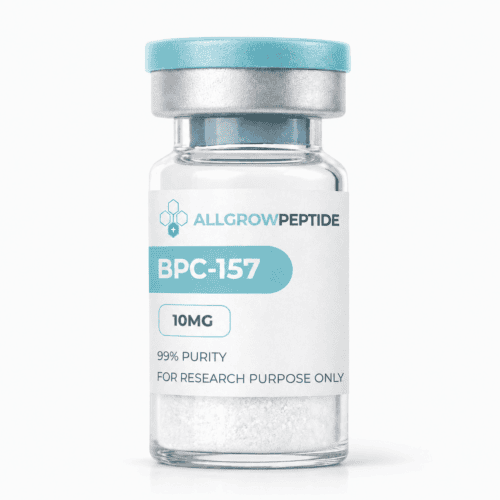
BPC-157 (Body Protection Compound-157, a 15-amino-acid peptide): Researchers examine this compound in preclinical models involving nitric oxide modulation, VEGFR2 signaling, FAK-paxillin pathway activity, and fibroblast and epithelial responses. In addition, scientific literature discusses its use in gastrointestinal and connective-tissue research models.
TB-500 (Thymosin Beta-4 fragment, Ac-LKKTETQ): Researchers study this actin-binding fragment for its potential involvement in VEGF-related signaling, cellular migration, and angiogenic pathway activity. Moreover, laboratory models often use it to investigate cytoskeletal organization and actin-dependent cellular movement.
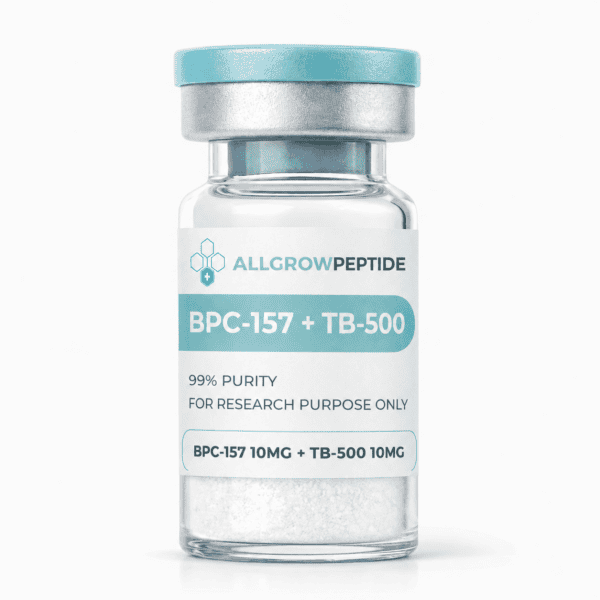
Together, these compounds allow researchers to examine multi-pathway peptide interactions under carefully controlled experimental conditions. Each vial contains 20 mg of total peptide material: 10 mg BPC-157 and 10 mg TB-500.
Analytical Specifications
- Purity: BPC-157 ≥98% and TB-500 ≥98%, with HPLC and mass-spectrometry verification
- Composition: 10 mg BPC-157 and 10 mg TB-500 per vial
- Lyophilized format designed to support long-term storage stability
- Full Certificate of Analysis available, including HPLC and mass-spectrometry data
- Production conducted in GMP-aligned, ISO-compliant facilities
Furthermore, analytical testing helps confirm peptide identity, purity, and formulation consistency. As a result, laboratories can review essential batch information before incorporating the blend into experimental protocols.
Research Context
Preclinical literature discusses BPC-157 in relation to nitric oxide regulation, VEGF signaling, gastrointestinal integrity, and connective-tissue response pathways. Meanwhile, researchers investigate TB-500 in laboratory models involving actin polymerization, cytoskeletal reorganization, and integrin-linked cellular motility.
Because these compounds may influence overlapping biological pathways, a combined formulation gives researchers an opportunity to study peptide interactions within a single controlled model. Therefore, the blend may support comparative investigations into cellular migration, signaling coordination, and tissue-response mechanisms.
Researchers may consider this formulation for musculoskeletal, dermal, gastrointestinal, and systemic-signaling research models. Overall, the dual-peptide format provides a practical option for laboratories examining complex interactions across regenerative and cellular pathways.
For laboratory research use only. Not intended for human or animal use.