Multi-Vial Peptide Kit Boxes – Custom Packaging for Research Vials
Professional Multi-Vial Packaging for Peptide Brands and Laboratories
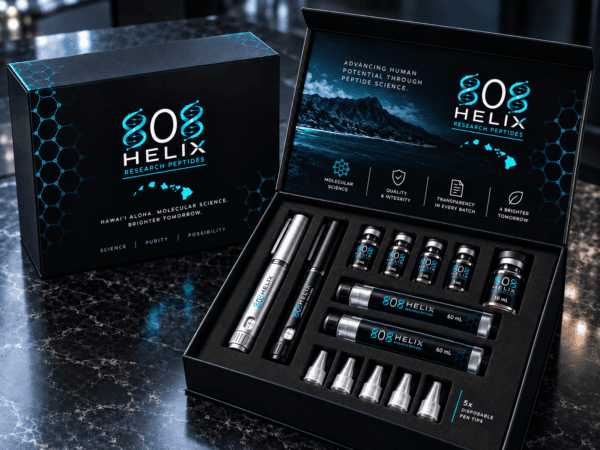
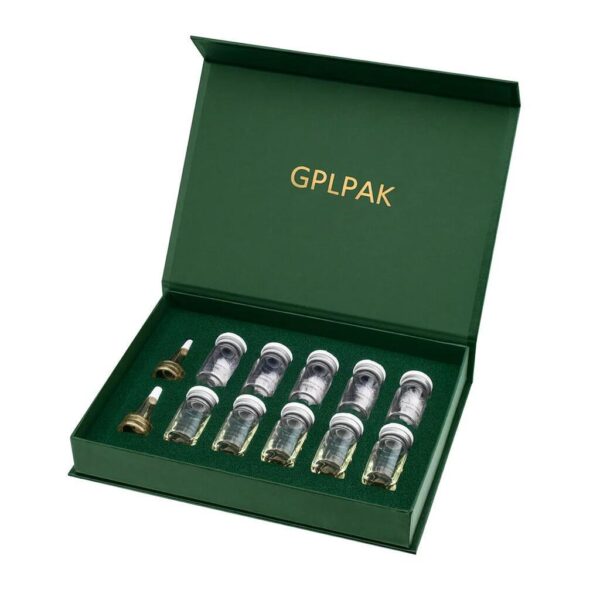
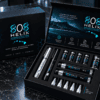
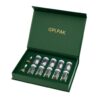
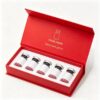
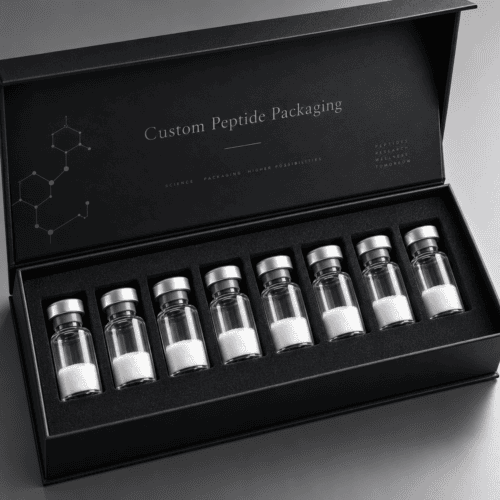
Multi-Vial Peptide Kit Boxes offer an organized way to package research peptide vials, laboratory samples, and customized product collections. Rather than placing several glass vials loosely in one carton, each kit uses a structured outer box and a purpose-designed insert.
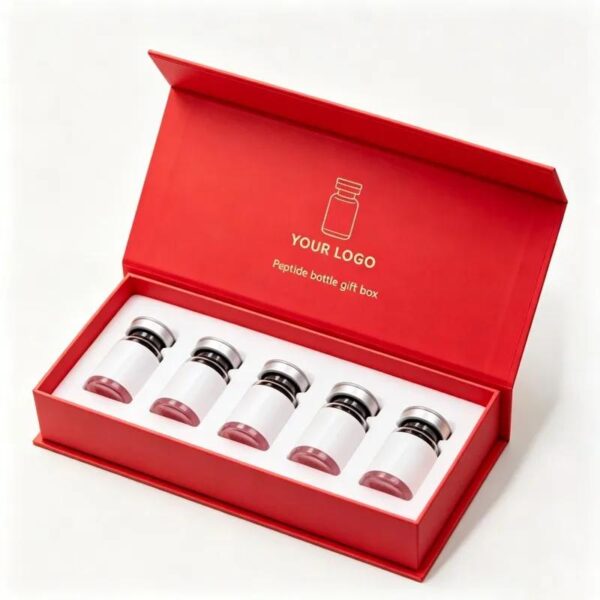
Individual compartments help reduce unwanted vial movement and glass-to-glass contact during routine handling and distribution. You can choose compact 5-vial cartons, 10-vial magnetic boxes, premium presentation kits, or custom multi-compartment packaging.
At ALLGROWPEPTIDE, we review each packaging project against vial capacity, finished component dimensions, box construction, artwork requirements, and planned order volume. Our customization options also serve laboratory suppliers, research product brands, wholesalers, and private-label packaging projects.
Key Features of Multi-Vial Peptide Kit Boxes
1. Custom Multi-Vial Configurations
Different research collections call for different packaging layouts. We develop compartment arrangements around your vial count, vial geometry, and intended presentation.
Common configurations include:
- 2-Vial Boxes: Compact packaging for paired products or sample sets.
- 5-Vial Boxes: Small research product collections.
- 10-Vial Boxes: Multi-product presentation kits.
- 20-Vial Boxes: Larger catalog or distributor sets.
- Custom Kits: Mixed vial sizes, accessory compartments, or project-specific layouts.
Depending on the box depth and insert design, you can arrange vials vertically or horizontally. We can also adjust the layout to improve label visibility and make individual vials easier to remove.
2. Precision-Fit Protective Inserts
Glass vials need stable positioning inside the box. For this reason, a custom insert separates individual containers and helps limit direct contact between them.
Available insert options include:
- Die-cut EVA foam inserts
- Protective foam inserts
- Paperboard dividers
- Molded pulp inserts, subject to project feasibility
- Custom compartments for laboratory accessories
However, a nominal vial capacity alone does not determine the correct cavity size. The insert must accommodate the complete vial assembly, including its cap, closure, and dimensional tolerances.
Finger-access cutouts can give laboratory staff room to lift each vial without scraping its label. Before final production, we recommend checking insert retention and packaging protection with actual production samples.
3. Custom Rigid and Folding Box Structures
Your packaging structure should match your presentation needs, budget, and distribution method. For example, premium demonstration kits may benefit from rigid boxes, while repeat-volume orders may favor folding cartons.
Magnetic Closure Boxes
Magnetic closure boxes pair rigid walls with an integrated opening mechanism. They offer a structured format for premium laboratory kits, branded collections, and demonstration sets.
Folding Cartons
Folding cartons use lighter paperboard and typically ship flat before assembly. They can reduce storage space and suit cost-conscious, standardized packaging projects.
Drawer-Style Boxes
Drawer-style boxes combine an outer sleeve with a sliding inner tray. These boxes organize compact multi-vial collections while creating a distinct opening experience.
Lid-and-Base Rigid Boxes
Two-piece rigid boxes provide a straightforward display structure. Fitted foam or paper inserts can help keep the vial collection in place.
Technical Product Specifications
The figures below represent proposed customization options and industry reference ranges, not guaranteed stock specifications. Therefore, please confirm final manufacturing capabilities before requesting a production quotation.
| Parameter | Reference Specification |
|---|
| Product Name | Multi-Vial Peptide Kit Boxes |
| Vial Capacity | 2 / 5 / 10 / 20 / Custom |
| Compatible Glass Vials | 2mL / 3mL / 5mL / 10mL |
| Rigid Board Thickness | 1.5–2.5mm reference range |
| Folding Paperboard | 300–400gsm reference range |
| Insert Material | EVA / Foam / Paperboard |
| Closure Options | Magnetic / Drawer / Tuck / Lid & Base |
| Printing Method | CMYK / Pantone Spot Color |
| Available Finishes | Matte / Gloss / Foil / Spot UV |
| Logo Options | Custom Printed Logo |
| Security Options | Tamper Labels / Custom Seals |
| Packaging Dimensions | Made to Order |
| MOQ | Confirmed by Quotation |
| Packaging Contents | Box and Insert; Other Components Optional |
Reference Vial Dimensions
Vial dimensions vary among manufacturers and product models. For reference, the examples below reflect dimensions associated with commercially available WHEATON serum vial products; they do not establish a universal sizing standard.
| Vial Size | Reference Diameter | Reference Height |
|---|
| 2mL | 15mm | 32mm |
| 3mL | 17mm | 38mm |
| 5mL | 23mm | 47mm |
| 10mL | 25mm | 54mm |
Use these measurements only for early design discussions. For accurate development, send the complete dimensions of your actual vial, including the cap, neck, and assembled overall height.
Suggested Multi-Vial Box Dimensions
The following external dimensions illustrate possible starting points for packaging design. They are examples, not confirmed stock sizes or final production specifications.
| Kit Configuration | Example External Box Size (L × W × H) |
|---|
| 5 × 2–3mL Vials | 150 × 80 × 55mm |
| 10 × 2–3mL Vials | 165 × 105 × 60mm |
| 10 × 5mL Vials | 190 × 110 × 70mm |
| 10 × 10mL Vials | 200 × 120 × 80mm |
These examples assume upright vial positioning and leave space for an insert. Nevertheless, your final dimensions will depend on vial diameter, cap size, insert thickness, cavity spacing, box walls, and lid clearance.
Before approving the production dieline, we recommend a physical fit test with the actual containers. This extra step can identify clearance and removal issues early in the project.
Custom Printing and Private-Label Packaging
Effective packaging should communicate your brand clearly while keeping essential product details easy to locate. To achieve that balance, you can combine consistent graphics with practical information panels.
Available design features include:
- Full-color CMYK printing
- Pantone brand color matching
- Custom exterior and interior graphics
- Matte or gloss lamination
- Gold or silver foil stamping
- Embossed or debossed logos
- Spot UV finishes
- Product information panels
- QR codes and barcodes
- Batch and lot identification fields
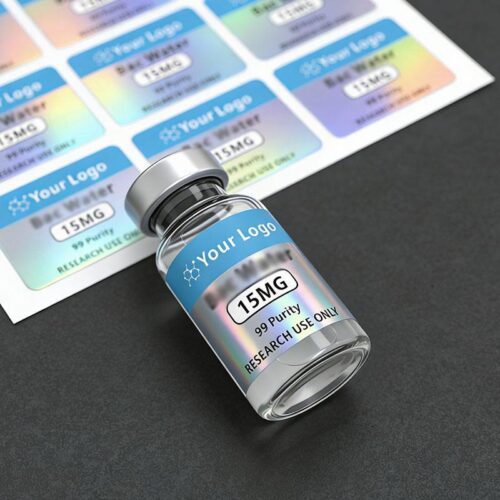
- Research-use labeling
For example, a laboratory distributor can use one box structure across multiple product lines and change the artwork or insert layout for each collection. The brand maintains a consistent visual identity without redesigning every packaging component.
Coordinated vial labels and outer cartons can help buyers identify individual kits more quickly. However, every design still needs a final artwork and specification review before production.
Applications of Multi-Vial Peptide Kit Packaging
Research Peptide Collections
Keep multiple research peptide vials in one clearly identified package. In particular, individual compartments make collection management and product retrieval more orderly.
Laboratory Sample Packaging
Combine laboratory sample vials with identification cards or technical leaflets. Additionally, you can tailor the number and position of compartments to suit your team’s handling process.
Wholesale and Distributor Packaging
Use consistent outer boxes and vial layouts for repeat distributor orders. Printed item codes and batch identification fields can make inventory checks more efficient.
OEM and Private-Label Packaging
Create branded multi-vial kits without rebuilding the entire packaging system for each product launch. For instance, you can coordinate vial labels, inserts, outer boxes, and master shipping cartons around a shared design.
Custom Research Product Kits
Some projects require different vial formats or permitted laboratory accessories in one package. In these cases, we can evaluate separate compartments based on the dimensions of each component.
Importantly, we need measurements for every included item before finalizing the structural design.
Why Choose Custom Multi-Vial Packaging?
Organized Presentation
Dedicated vial positions create a clear layout. As a result, laboratory staff and distributors can identify and retrieve individual containers more easily.
Custom-Fit Protection
A well-matched insert helps limit vial movement and glass-to-glass contact during routine handling. However, you should confirm the required protection through tests that reflect your actual distribution conditions.
Flexible Branding
Custom colors, printed graphics, structural styles, and surface finishes reinforce a recognizable brand identity. A coordinated design can connect several product collections.
Efficient Product Identification
Product names, item numbers, batch fields, and QR codes help users locate key information quickly. Consistent label placement can simplify routine stock checks.
Scalable Packaging Design
A modular packaging approach supports different vial counts while preserving a familiar look. Therefore, brands can expand their product lines without introducing an entirely new visual system each time.
Export Packaging Coordination
Protective inserts and suitable master cartons can support international distribution planning. Nevertheless, secondary boxes do not provide temperature control, sterility, or validated shipping performance on their own. Depending on the product and route, you may need additional protective measures and shipment qualification.
Custom Packaging Development Process
Step 1 – Submit Your Requirements
First, share the vial quantity, nominal capacity, actual measurements, preferred box format, branding files, and estimated order volume. This information helps define the initial packaging concept.
Step 2 – Select Materials
Next, compare rigid board or folding paperboard, insert materials, printing methods, and surface finishes. Your choices should reflect the presentation goal and practical order requirements.
Step 3 – Confirm Box Structure
Then, develop a proposed layout around the finished vial dimensions and selected components. At this stage, review compartment spacing, lid clearance, and vial accessibility.
Step 4 – Review Artwork and Samples
Afterward, examine the dieline, product information, logo placement, color appearance, and physical vial fit. In particular, check the assembled package before approving the design.
Step 5 – Confirm Production
Once the design meets your requirements, finalize specifications, MOQ, production schedule, and packaging instructions. This helps keep the order aligned with your approved sample.
Step 6 – Prepare for Shipment
Finally, inspect the finished boxes and organize them in suitable master cartons. Where necessary, review the outer-packaging approach against your intended shipping conditions.
Frequently Asked Questions
What vial sizes are compatible with multi-vial peptide kit boxes?
Many projects use 2mL, 3mL, 5mL, or 10mL glass vials. However, manufacturers use different shapes and closures, so we assess compatibility against actual dimensions or physical samples.
Can I customize the number of vial compartments?
Yes. We can evaluate layouts for 2, 5, 10, 20, or custom vial quantities. Ultimately, structural feasibility and the chosen box dimensions determine the final arrangement.
What is the difference between EVA foam and paperboard inserts?
EVA foam offers shaped, cushioning cavities, while paperboard inserts provide a paper-based separation structure. EVA may suit products that need close-fitting cavities, whereas paperboard may better match a paper-focused or cost-sensitive project. Choose the material after reviewing product geometry, protection needs, budget, and test results.
Can I add my company logo?
Yes. You can request custom logo printing, brand color matching, decorative finishes, and additional graphics. We can also review placement across the outer box and related packaging components.
Can the packaging include glass vials and labels?
Depending on availability, you may request a separate quotation for glass vials, closures, labels, or other components. We can also discuss how to coordinate those items within a broader packaging project.
What is the minimum order quantity?
MOQ depends on box construction, materials, printing, insert complexity, and tooling requirements. Therefore, send your intended configuration and order volume for a project-specific quotation.
Are these boxes suitable for temperature-sensitive peptides?
The boxes organize and protect products as secondary packaging; they do not independently maintain a controlled temperature. Temperature-sensitive contents need an appropriate, qualified storage and shipping system.
Are peptide contents included?
No. This listing covers customizable packaging boxes and inserts. Unless your quotation explicitly states otherwise, it does not include glass vials, labels, laboratory accessories, or peptide contents.
Request Custom Multi-Vial Peptide Kit Boxes
Choose packaging that fits your vial collection, brand identity, and purchasing needs. Whether you need 5-vial sample cartons, 10-vial magnetic presentation kits, or specialized multi-compartment boxes, ALLGROWPEPTIDE can review your specifications.
Contact us to discuss:
- Custom vial capacities and compartment layouts
- Board materials and insert recommendations
- Logo printing and decorative finishes
- Sample options and minimum order quantities
- Bulk quotations and production requirements
To begin, send your vial measurements, required quantity, preferred box style, and artwork. We can then assess suitable packaging options and prepare a quotation around the details of your project.
These packaging solutions support laboratory and research product presentation. Before use, confirm final specifications, suitability, and all applicable regulatory requirements for your project.